About SAS Dial Foundation
SAS Dial Foundation is being established to carry forward the high risk renal clinic and haemodialysis programme launched at SAS Lweza Clinic, with its own registration, board and accounts.
Our story
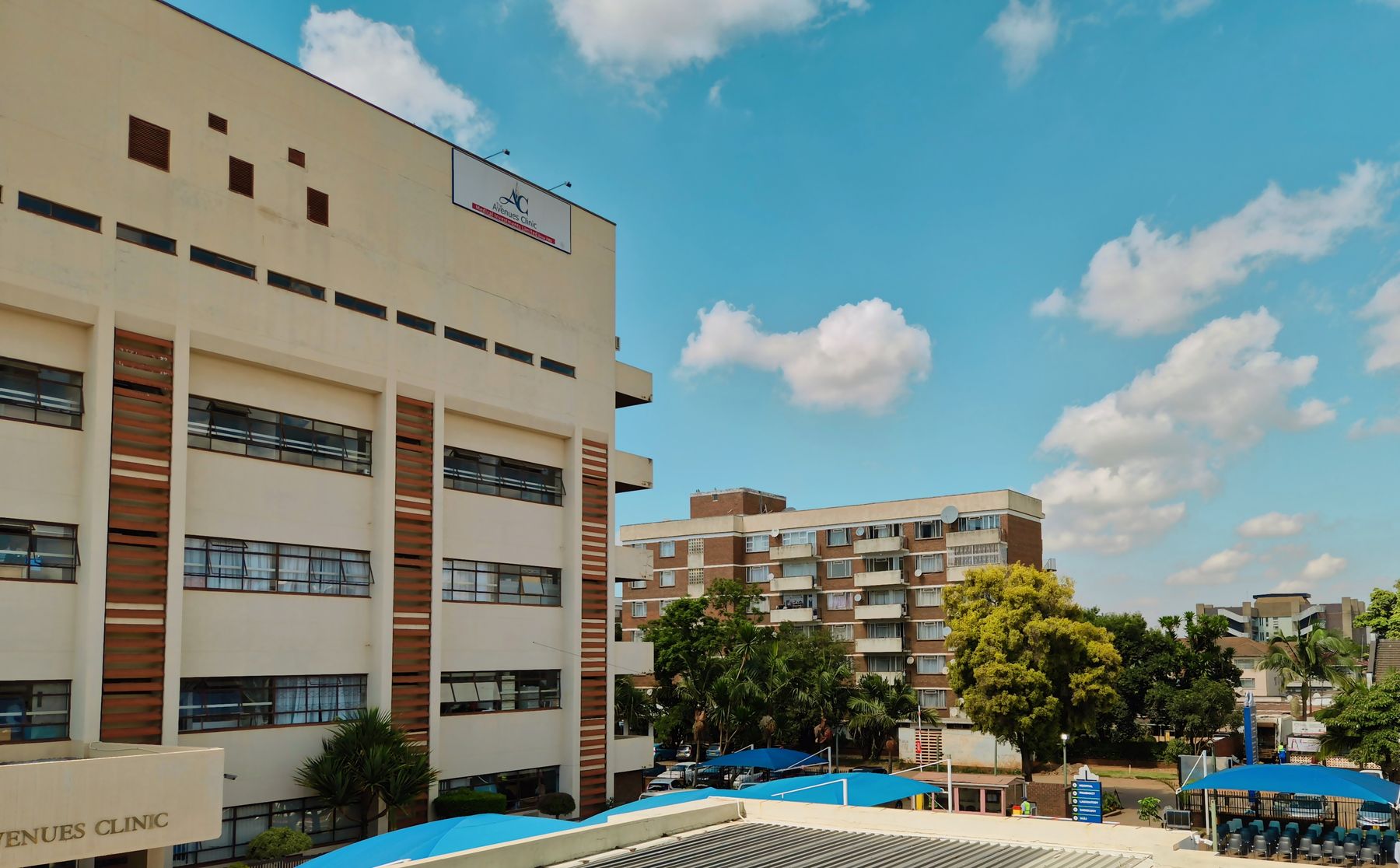
SAS Lweza Clinic, a fully licensed medical facility operating since 2012, opened a high risk renal clinic and haemodialysis programme to serve patients across Uganda. A course of dialysis costs more than most Ugandan families can sustain.
The clinic hosted the programme, funded it out of its own operations, and kept it open.
SAS Dial Foundation takes on the renal clinic, the screening work and the dialysis subsidy as an independent organisation with its own board.
Our vision
A Uganda in which no one loses their life to kidney failure because treatment was out of financial reach.
Our mission
To fund, sustain and grow a renal programme that finds kidney disease early and keeps patients on the treatment that holds it.
Our values
- Subsidised patients are treated in the same room, on the same machines, by the same clinicians.
- Water treatment, machine maintenance, infection control and staffing levels are set by clinical need.
- Restricted funds are spent on the purpose they were given for.
- Where a licensed facility or a community organisation is already doing the work, the foundation funds it rather than building a parallel service.

Clinical partner, board and reporting
The foundation is the funding and governance body behind a programme delivered by clinicians in a licensed facility.
- Clinical partnership. Treatment is delivered at SAS Lweza Clinic in Seguku, a licensed facility operating since 2012, by its renal team. Clinical decisions are made by the clinicians.
- Independent governance. The trustees set policy, approve the budget, review clinical quality reports and hold the relationship with the clinic at arm's length.
- Donor reporting. Giving is tied to defined units of treatment, and reporting states how many were funded, for how many patients, at what cost.